Frozen in Send: Why the Last Message Someone Left Behind Becomes the Most Reread Thing You Own
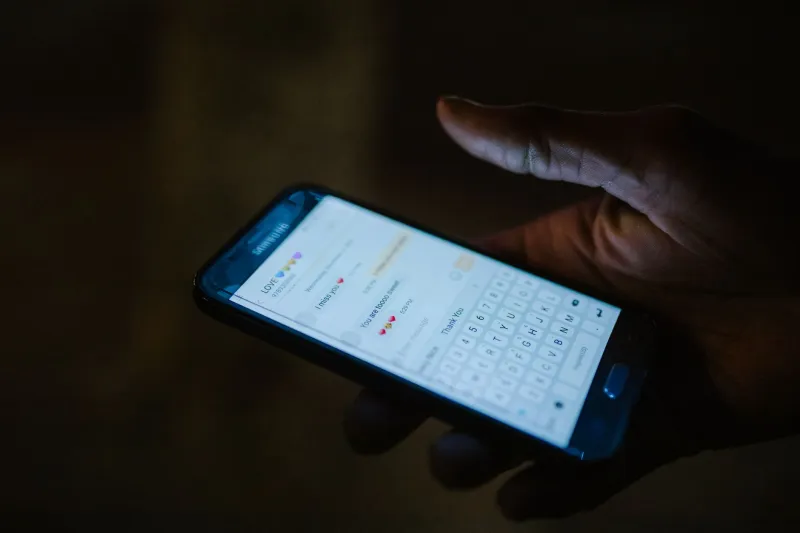
There's a specific kind of stillness that settles over a phone screen when you realize the last text in a thread is the last text you'll ever get. We don't delete those conversations. We don't archive them. We return to them — sometimes daily — like pilgrims to a shrine built out of autocorrected words and half-finished thoughts.
It might be something mundane. On my way. Or Can you grab milk? Or just a single emoji that felt like nothing at the time and now feels like everything. Whatever it is, that final message has a weight to it that it was never designed to carry. And yet here we are, carrying it anyway.
The Accidental Time Capsule
Most of us have at least one of these. A thread we scroll to the bottom of and then just... stop. A voicemail we've replayed so many times we've memorized the background noise. A Facebook post from someone who didn't know, when they typed it, that it would become the last public thing they'd ever say.
The strange thing about these fragments is that they were never written for posterity. Your grandmother wasn't composing her final text with any sense of ceremony. The missing college student who posted a selfie the night before she vanished wasn't thinking about legacy. And that's exactly what makes these moments feel so haunted — they're intimate in a way that polished eulogies and obituaries never are.
Grief researchers have a term for objects that take on outsized emotional meaning after a loss: continuing bonds. The theory, which has reshaped how therapists approach bereavement over the last few decades, suggests that maintaining a symbolic connection to the deceased isn't pathological — it's human. We've always done this. We've kept locks of hair and worn dead relatives' rings and slept in shirts that still held someone's smell. The last text message is just the 21st-century version of that impulse.
Only now, the relic is searchable. Zoomable. Shareable.
When Private Words Go Public
This is where things get complicated — and where grief starts to blur into something closer to folklore.
In true crime communities especially, final communications have taken on a life that extends far beyond the people who sent them. Gabby Petito's last text to her mother. The final Instagram post from a hiker who went missing in a national park. The last Snapchat location ping from a teenager who never made it home. These fragments get screenshotted, analyzed, and reposted across Reddit threads and TikTok videos by strangers who never knew the person at all.
People parse punctuation. They debate tone. They build entire theories around whether someone used a period instead of an emoji. Was she scared? Was she trying to send a signal? Did she know something was wrong?
This is what happens when private words enter public grief: they get interpreted. And reinterpreted. And eventually, they stop being someone's actual last words and start becoming a kind of text — in the literary sense — that a community reads together, argues over, and mythologizes.
It's not always comfortable to say that out loud. Because it means we're doing something to these people, something they never consented to. But it also reflects a truth about how human beings have always processed loss and mystery: we tell stories about it. We look for meaning in the details. We need the narrative to make sense even when it doesn't.
The Reread That Changes Every Time
Here's the thing about returning to a final message: you're never reading it the same way twice.
In the first days after a loss, you're reading it for comfort. You're looking for evidence that things were okay, that they knew they were loved, that the last exchange wasn't a fight or something hollow. Six months later, you're reading it differently — maybe searching for clues you missed, or just trying to hear their voice again in the cadence of how they typed. A year out, it might be something else entirely. Relief that you said something good. Or guilt that you didn't.
The message hasn't changed. You have. And that's what makes it feel almost alive — it keeps meaning something different because grief itself keeps shifting underneath it.
Some people describe this experience as comforting. Others find it almost unbearable. A woman in an online grief support group once described scrolling back to her late husband's last text — a simple love you, see you tonight — as both the most painful and most necessary thing she did in the months after he died. "It's the only place he still sounds like himself," she wrote. "Not the version of him that people talk about at memorials. Just him, being normal, not knowing anything."
That's the particular ache of it. The last message is a person caught in the moment before. Before they knew. Before we knew. It's ordinary life preserved in amber.
Why We Don't Delete Them
Every few years, a story circulates about someone who accidentally wiped their phone and lost the last conversation they had with a person they loved. The reaction — online and in real life — is always visceral. People respond with a kind of horror that might seem disproportionate until you've been there.
Because we treat these messages like documents. Like evidence. Not of anything sinister, necessarily — just evidence that the person existed, that they were present, that they reached out and we reached back.
Apple and Google have both, at various points, grappled with how to handle the digital estates of deceased users. What happens to an iCloud account when someone dies? Who inherits a Facebook inbox? These are genuinely thorny legal and ethical questions, but underneath the policy debates is something much simpler and much older: we don't want the words to disappear.
That instinct predates smartphones by centuries. We've always saved letters. We've always kept diaries that weren't ours to keep. We've always pressed dried flowers between pages and held onto birthday cards we probably should have recycled. The last message is just the newest form of an ancient refusal to let go.
The Story That Doesn't End
Maybe that's the most honest way to put it. A final message isn't really final — not to the people who hold onto it. It's more like a sentence that stops mid-clause, a story interrupted before the ending, a conversation that got put on hold and never resumed.
We return to it because we're still trying to finish it. Still trying to say the thing we didn't say, hear the response we didn't get, find the meaning we're convinced must be in there somewhere.
Sometimes it is. Sometimes a last message really does contain something beautiful or true or perfectly them. And sometimes it's just k or omw or a thumbs-up reaction, and we have to make our peace with the fact that real life doesn't write clean endings.
But we keep reading anyway. Because the alternative — closing the thread, letting the words go dark — feels like something we're not ready for.
And maybe we never will be.